One of the first questions Auckland homeowners ask when they start thinking about their roof…
Getting your roof replaced is one of the most significant projects an Auckland homeowner will undertake. It is not something most people do more than once or twice in a lifetime which means when the time comes most homeowners have very little idea of what the process actually involves, how long it takes or what to watch out for.
This guide walks you through the complete reroofing process from the initial signs that your roof needs replacing through to the final inspection, so you know exactly what to expect when you engage a reroofing service in Auckland.
When Does a Roof Actually Need Replacing
The first question most Auckland homeowners have is whether their roof actually needs replacing or whether repairs will do the job. The honest answer is that it depends on the age of the roof, the material it is made from and the extent of the deterioration.
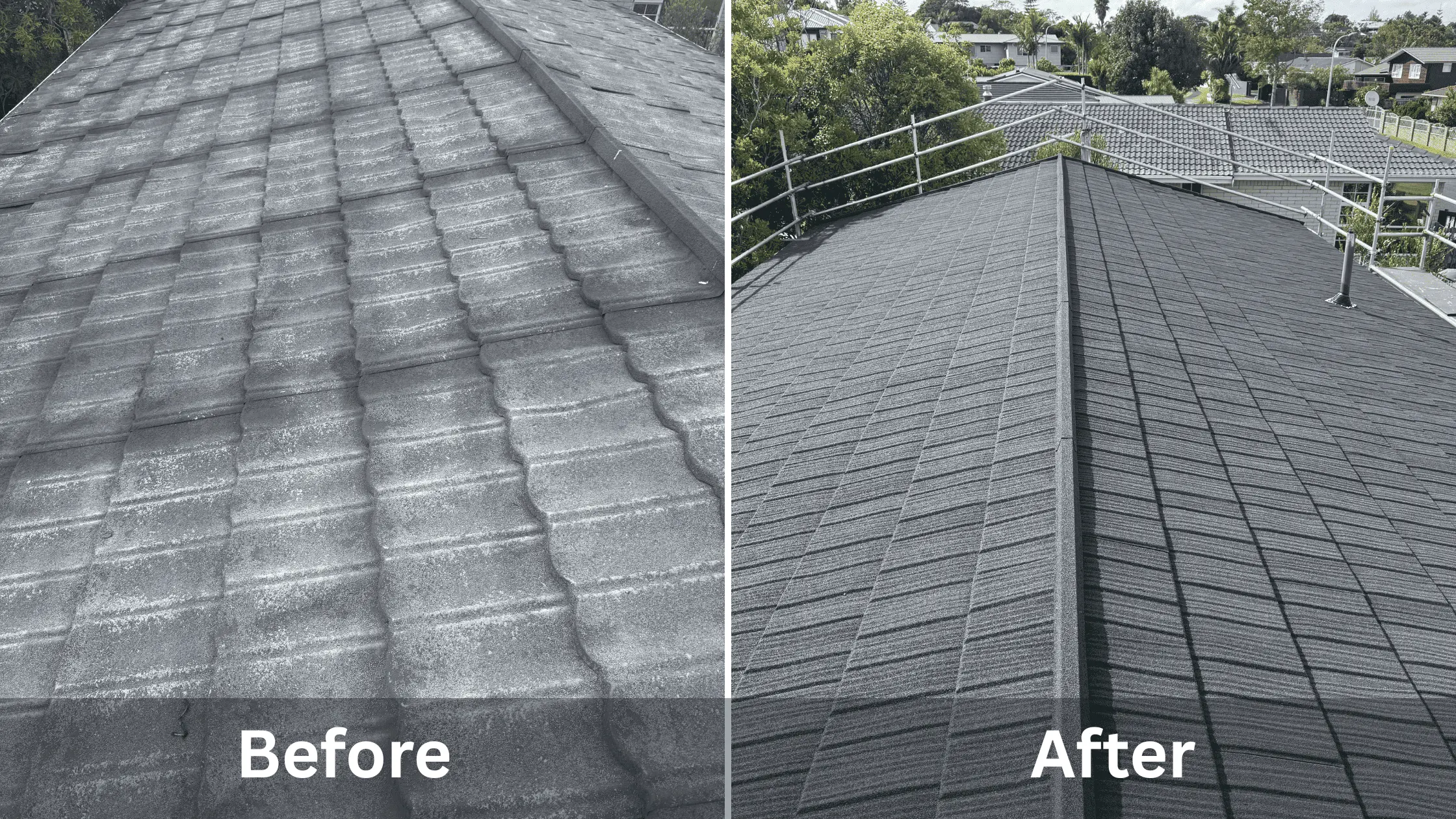
As a general guide, long run steel and Colorsteel roofs have a lifespan of 40 years or more when properly maintained. Concrete tile roofs typically last 30 to 50 years depending on the quality of the original installation and the level of maintenance over the years. If your roof is approaching or beyond these ages it is worth getting a professional assessment regardless of whether there are obvious visible issues.
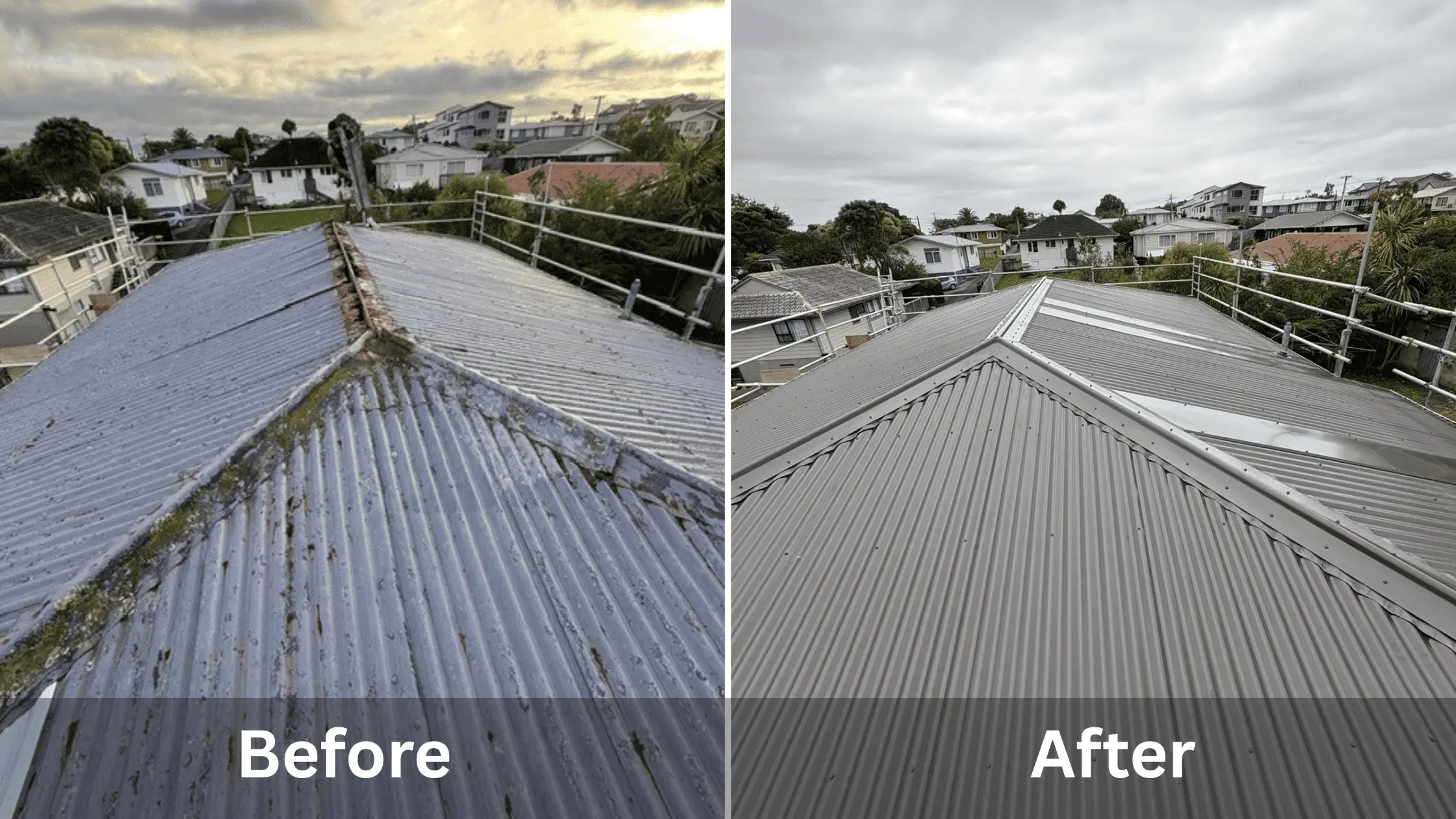
There are several signs that suggest reroofing rather than repair is the more appropriate solution. Widespread rust or corrosion across a metal roof that goes beyond isolated patches is a strong indicator that the cladding is at the end of its useful life. Multiple cracked, broken or slipping tiles across a tiled roof suggest the tiles themselves are deteriorating rather than individual tiles being damaged. Recurring leaks that keep returning despite being repaired are often a sign that the roof as a whole is no longer performing rather than there being a single fixable problem.
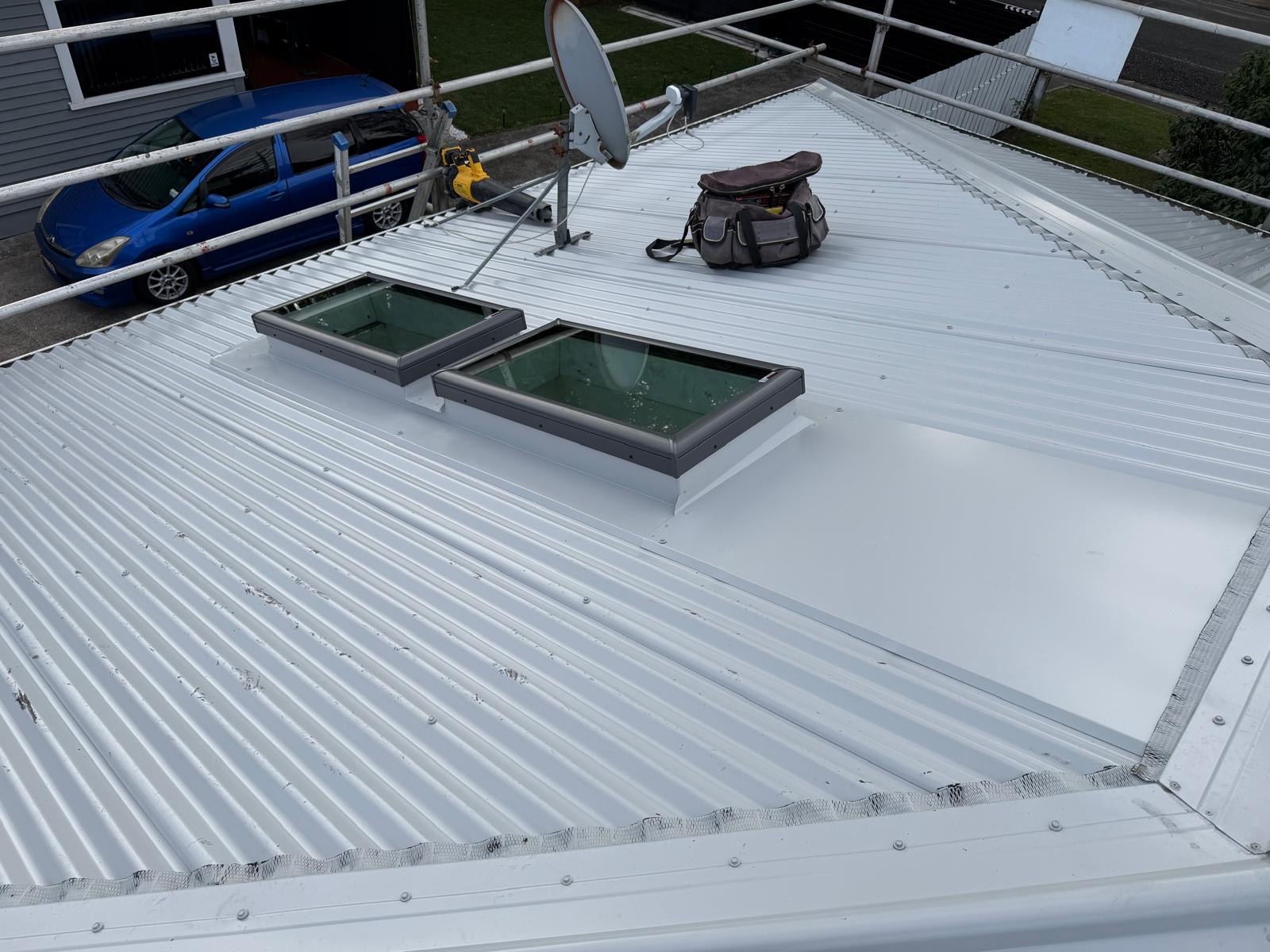
Water stains appearing on interior ceilings or walls are a more urgent signal that the roof is already allowing water in. Deteriorating flashings around chimneys, skylights and roof penetrations that are no longer sealing properly are another common indicator that the roof is past its best.
The most important thing is not to wait until the situation is urgent. A roof that is deteriorating slowly can be managed and planned for. A roof that has failed and is actively letting water into the home creates additional damage to the structure, insulation and interior that adds significantly to the overall cost of the project.
Choosing a Reroofing Service in Auckland
Choosing the right reroofing service in Auckland is one of the most important decisions in the whole process and one that homeowners sometimes rush because they want to get the job done quickly. Taking the time to choose the right roofing company upfront is always worth it.
There are several things worth looking for when evaluating Auckland roofing companies. A strong track record with verifiable customer reviews from Auckland homeowners gives you real world evidence of the quality of their work and their service. A company that has been operating in Auckland for a significant period has the experience and local knowledge that newer operators simply cannot replicate.
A comprehensive warranty covering both workmanship and products is non-negotiable. Any reputable reroofing service should be willing to back their work with a meaningful guarantee and be clear about what is covered before you commit to anything. Full insurance is equally important and you should make sure your contractor is properly insured for work on your property.
The quality of communication from your first interaction with a roofing company is a reliable indicator of how they will operate throughout the project. A company that responds promptly, answers your questions clearly and keeps you informed at every stage is one that takes its work and its customers seriously.
The Initial Assessment and Quote
Once you have identified a reroofing service you want to work with the process begins with a site visit and assessment. This is one of the most important steps in the whole project and a reputable roofing company will always insist on visiting your property before providing a quote.
During the assessment the roofing contractor will inspect your existing roof thoroughly from both above and below where accessible. They will assess the condition of the roofing cladding, the flashings, the guttering and spouting, and the underlying roof structure including the sarking, battens and roof framing. Any issues identified during this assessment will be factored into the scope of work and the quote.
This is also the stage where you discuss your material and colour options. The four main roofing materials used for residential reroofing in Auckland are long run steel, Colorsteel, concrete tiles and metal tiles. Each has its own characteristics, price point and aesthetic and the right choice depends on your home, your budget and what you want the finished result to look like. A good roofing contractor will walk you through the options honestly and advise on what they believe will give you the best result for your specific property.
The quote you receive should be detailed and cover the full scope of work including the removal and disposal of your existing roof, supply and installation of the new roofing material, replacement of flashings and roofline elements where required and the workmanship warranty. Be cautious of very low quotes that do not clearly itemise what is included because in roofing as in most things you tend to get what you pay for.
Preparation Before the Work Begins
Once you have accepted a quote and agreed on a start date there is generally very little for you as the homeowner to do in preparation. A professional reroofing crew will manage the site setup and take all necessary precautions to protect your property during the process.
There are a few things worth doing before the crew arrives. Moving any outdoor furniture, pot plants or other items away from the perimeter of the house gives the crew clear access and prevents anything being damaged during the removal of the old roof. If you have a carport or outdoor area directly adjacent to the house it is worth moving vehicles away from the building during the project.
If you have pets it is worth making arrangements to keep them away from the work area during the project. A roofing site is not a safe environment for animals and the noise and activity can be stressful for them.
The Reroofing Process: What Actually Happens
Understanding what happens on site during a reroofing project helps set realistic expectations about what the experience will be like and how long it will take.
The project typically begins with the crew setting up the site and preparing the working area safely. For a two storey home or a steeply pitched roof this involves setting up scaffolding which adds time to the setup but is essential for safe working conditions and is a sign of a professional operation.
Once the site is set up the existing roof cladding is removed. This is the noisiest and most disruptive part of the project and depending on the size of your roof can take anywhere from half a day to a full day. The old roofing material is removed carefully and disposed of responsibly and a professional crew will not leave old roofing material piling up on your property or dump it inappropriately.
With the old roof removed the underlying structure is inspected thoroughly. This is the point at which any issues with the sarking, battens or structural roof framing that were not visible during the initial assessment become apparent. If any repairs or replacements are needed to the underlying structure this is the time to do them before the new cladding goes on. A reputable roofing company will communicate any additional work identified at this stage clearly and transparently before proceeding.
New sarking and battens are installed where required to provide a sound substrate for the new roofing material. Flashings around all penetrations, edges and junctions are also renewed at this stage and this is one of the most important parts of the whole project because flashings are where most roof leaks originate and properly installed flashings are essential for a weathertight result that will last.
The new roofing material is then installed. The method varies depending on the material chosen. Long run steel is fixed with screws and washers along the length of each sheet, concrete tiles are nailed or clipped to the battens and metal tiles are fixed in a similar way to concrete tiles but with the lighter weight and handling characteristics of steel. Regardless of the material the critical areas are the ridgeline, hips, valleys and all flashings where water management is most important and where the skill and experience of the roofing crew makes the biggest difference to the long term performance of the roof.
How Long Does Reroofing Take
The duration of a reroofing project in Auckland depends on the size and complexity of the roof and the weather conditions during the project. Most standard residential reroofing projects take between two and five working days from setup to completion.
A simple low pitch roof on a single storey home at the smaller end of the size range can typically be completed in two to three days. A larger two storey home with a more complex roof shape including multiple hips, valleys and penetrations will take longer, often four to five days or more.
Weather is always a factor in Auckland roofing work. While reroofing can be carried out in most conditions a professional roofing crew will not work in heavy rain or strong winds where safety is compromised or where the quality of the installation could be affected. Your roofing contractor will manage weather related delays and communicate with you throughout.
The Final Inspection and Completion
Once the installation is complete a thorough final inspection is carried out before the project is signed off. A professional reroofing service will check every section of the new roof including all flashings, ridges, valleys, penetrations and guttering to make sure everything is correctly installed and weathertight.
The site is then cleaned up completely. All offcuts, packaging and debris are removed and disposed of responsibly. Your property should be left in the same condition it was in before the project started with the only difference being a new roof overhead.
A quality reroofing service will provide you with documentation of the warranty covering both the workmanship and the roofing products installed. Keep this documentation somewhere safe as you will need it if you ever need to make a warranty claim or if you sell the property.
What to Do After Your Roof is Replaced
Once your new roof is installed there is very little ongoing maintenance required in the early years. However a few simple habits will help protect your investment and extend the life of the roof significantly.
Keeping gutters and downpipes clear of debris prevents water pooling and backing up under the roofline which is one of the most common causes of water damage even on a well installed roof. An annual gutter clean is a small investment that pays significant dividends over time.
If you have trees overhanging your roof keeping them trimmed back prevents leaves and debris accumulating on the roof surface and reduces the risk of branches causing damage in storms.
A periodic visual inspection from the ground every year or two allows you to spot any obvious issues with flashings or roofline elements before they develop into something more serious. If you notice anything that concerns you getting a professional assessment sooner rather than later is always the right call.
Getting Started With Your Auckland Reroofing Project
If you are considering reroofing your Auckland home the best first step is a professional assessment and a detailed quote from an experienced local roofing company The Roof Crew LTD.Being reputable contractor they will inspect your existing roof thoroughly, discuss your material and colour options and provide a clear quote covering the full scope of work.
The Roof Crew has a strong local track record, a comprehensive warranty on both workmanship and products, and a team that communicates clearly from the first conversation through to project completion. Getting the right people for the job is just as important as choosing the right materials and will make the entire experience significantly more straightforward.
Related Posts